Deconstructing the Week: A Strategic Blueprint for Optimal Meal Preparation

The siren song of convenience often leads us down a path paved with processed snacks and hurried, unbalanced meals. We’ve all been there: the best intentions for a nutritious week dissolving by Tuesday afternoon, succumbing to the allure of takeout menus or the quick fix of a microwaveable meal. But what if reclaiming your week, and your well-being, was less about sheer willpower and more about intelligent, strategic planning? This isn’t about restrictive diets or culinary acrobatics; it’s about empowering yourself with the knowledge of how to meal prep for a healthy week. Think of it as an investment – a small commitment of time upfront that yields significant dividends in energy, focus, and long-term health.
The Foundational Pillars: Planning and Procurement
Before the chopping even begins, a robust strategy is paramount. Rushing into prep without a clear vision is a recipe for frustration.
#### Defining Your Nutritional Landscape
The first step in any effective meal prep endeavor is understanding your individual needs and preferences.
Caloric and Macronutrient Targets: Are you aiming for weight management, muscle gain, or general wellness? Having a rough idea of your daily caloric and macronutrient needs can guide your food choices. This isn’t about obsessive tracking for everyone, but rather a baseline understanding.
Dietary Restrictions and Allergies: This is non-negotiable. Whether it’s gluten-free, vegan, or dairy-free, ensure your prep plan accommodates these without sacrificing flavor or variety.
Flavor Profiles and Cravings: A healthy week is also a satisfying week. Incorporate meals and ingredients you genuinely enjoy. Nobody thrives on food they dread eating. Consider how to balance lean proteins, complex carbohydrates, and healthy fats across your meals.
#### The Strategic Shopping Cart
Once your culinary roadmap is set, it’s time to translate it into a shopping list.
Leverage Your Meal Plan: Base your list precisely on the meals you intend to prepare. This prevents impulse buys and reduces food waste.
Prioritize Versatile Staples: Stock up on ingredients that can be used in multiple dishes. Think large batches of quinoa, roasted root vegetables, or grilled chicken breasts. These form the building blocks of diverse meals.
Fresh vs. Frozen: Understand which ingredients hold up best when prepped in advance. Many vegetables and fruits freeze exceptionally well, offering convenience without significant nutrient loss.
The Art of Assembly: Efficient Prep Techniques
This is where the magic happens – transforming raw ingredients into portable, delicious sustenance.
#### Batch Cooking: The Cornerstone of Efficiency
Preparing large quantities of foundational components is the most impactful strategy for how to meal prep for a healthy week.
Grains and Starches: Cook a big pot of brown rice, quinoa, or farro. These can be added to salads, bowls, or served as a side.
Proteins: Roast a whole chicken, grill several chicken breasts, bake a large portion of salmon, or cook a batch of lentils or chickpeas.
Roasted Vegetables: Toss a medley of vegetables (broccoli, sweet potatoes, bell peppers, Brussels sprouts) with olive oil and seasonings, then roast them until tender and slightly caramelized.
#### Pre-Portioning for Precision
Once your components are ready, divvying them up into individual containers is key to grabbing-and-go success.
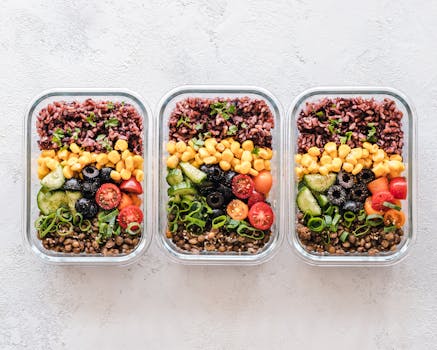
Single-Serving Containers: Invest in good quality, airtight containers. Glass is often preferred for its durability and non-reactivity.
Balanced Meal Construction: Aim to include a protein source, a complex carbohydrate, and a healthy fat in each container. Add a generous portion of your pre-cooked vegetables.
Sauces and Dressings: Keep these separate until serving to prevent sogginess, especially for salads or grain bowls. Small, leak-proof condiment containers are your friends here.
Beyond the Basics: Enhancing Flavor and Variety
A monotonous meal prep routine is a fast track to burnout. Injecting creativity is crucial for long-term adherence.
#### Embracing Flavorful Combinations
The same base ingredients can be transformed with different flavor profiles.
Spice Blends and Herbs: Experiment with different cuisines. A batch of roasted chicken can be seasoned with Italian herbs one week, then Indian spices the next.
Salsas, Sauces, and Marinades: A vibrant salsa, a creamy avocado dressing, or a zesty lemon-tahini sauce can completely change the character of a meal.
Fermented Foods: Incorporate kimchi, sauerkraut, or pickles for added probiotics and a tangy punch.
#### The Power of Texture and Freshness
Maintaining desirable textures throughout the week is essential.
Leafy Greens: Store washed and dried greens in an airtight container with a paper towel to absorb excess moisture. Add them just before eating to prevent wilting.
Crunchy Elements: Keep nuts, seeds, or crispy baked chickpeas separate and add them at the last minute for added texture.
Fresh Herbs: A sprinkle of fresh parsley, cilantro, or mint can brighten up any dish.
Sustaining the Momentum: Troubleshooting and Adaptation
Even the most meticulously planned weeks can hit a snag. Anticipating challenges and having solutions is part of mastering how to meal prep for a healthy week.
#### Navigating the Mid-Week Slump
Sometimes, the thought of eating another pre-prepped meal feels daunting.
“Freesh” Elements: Plan for one or two meals that require minimal assembly but offer a fresh component. Think a large salad with pre-cooked chicken or a quick stir-fry using pre-chopped vegetables.
Emergency Stash: Keep a few healthy, non-perishable items on hand for unexpected deviations – like canned tuna, hard-boiled eggs, or a protein bar.
#### Adapting to Your Schedule
Life is dynamic. Your meal prep plan should be too.
Weekend Warrior vs. Weekday Warrior: Some prefer to dedicate a block of time on the weekend, while others find it easier to prep components over two shorter sessions during the week. Find what fits your rhythm.
Flexibility is Key: Don’t be afraid to adjust your plan on the fly. If a spontaneous dinner invitation arises, embrace it! The beauty of meal prep is having healthy options readily available when you do need them.
Final Thoughts: Reclaiming Your Time and Your Health
Mastering how to meal prep for a healthy week is not merely about ticking off boxes; it’s a profound act of self-care. It’s about reclaiming your precious time from last-minute culinary crises, empowering yourself with nutrient-dense fuel, and building a sustainable foundation for your well-being. The initial investment of time and effort unlocks a cascade of benefits: reduced stress, improved dietary adherence, potential cost savings, and a greater sense of control over your health journey.
So, now that we’ve dissected the strategic blueprint, the question remains: What is the single biggest barrier holding you back from consistently meal prepping, and how can you begin to dismantle it this week?